HMO Licensing
Additional licensing in London: a borough-by-borough reality check
9 May 2026 · 7 min read · Amara Nwosu, Head of Compliance
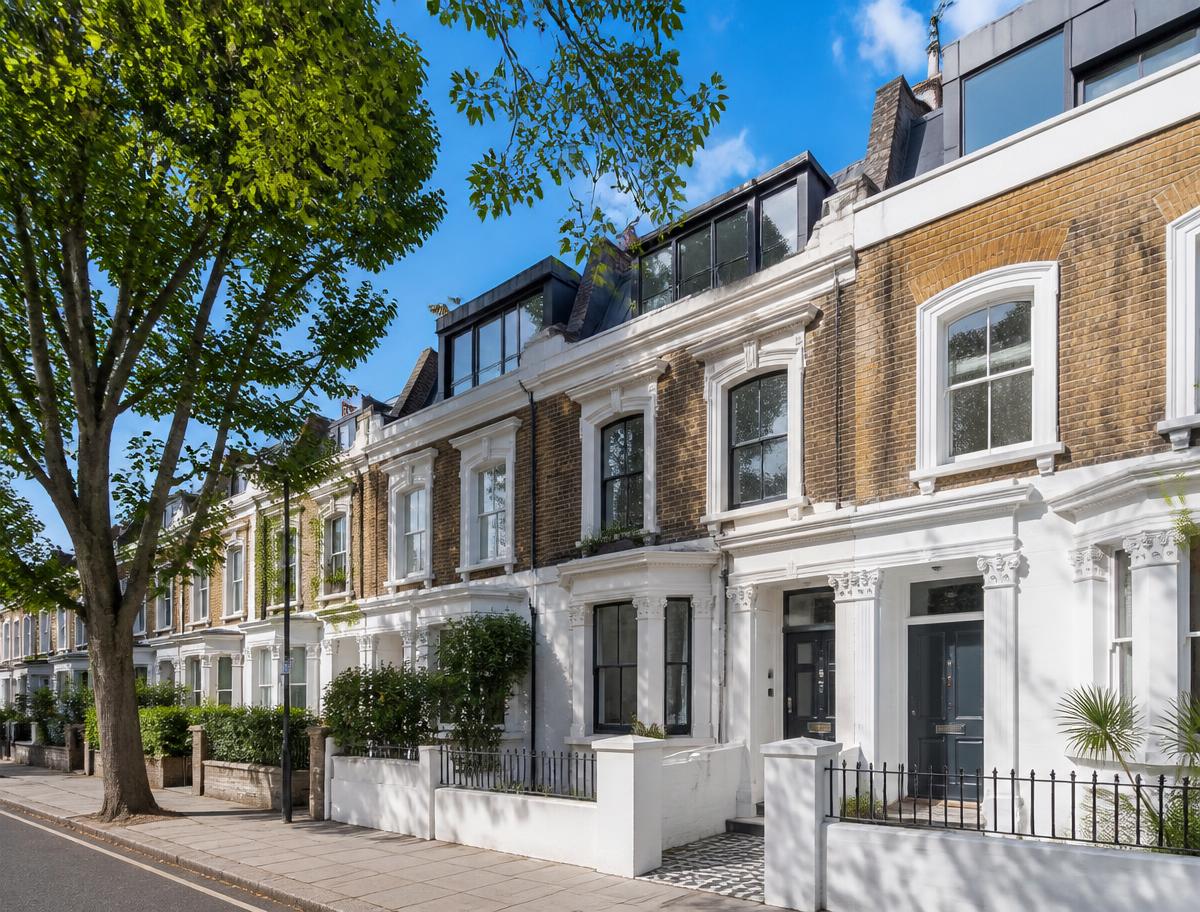
Schemes vary wildly between neighbouring boroughs. What to check before you exchange on a Greater London share, and the traps in transitional cases.
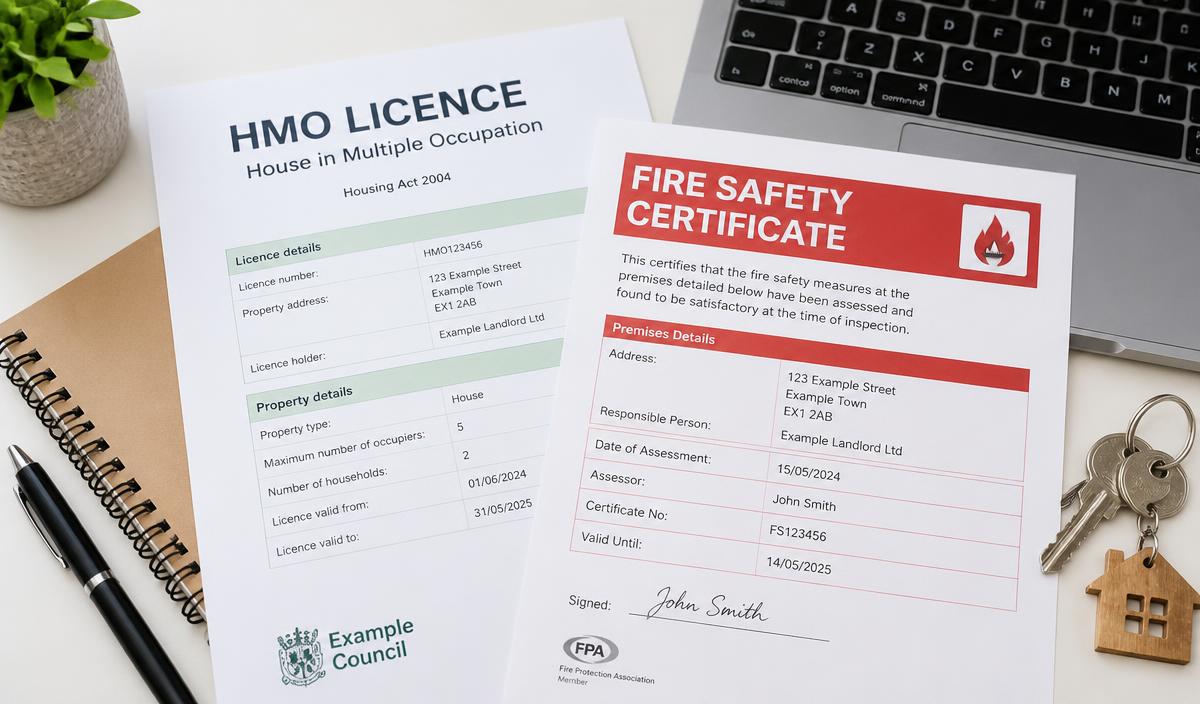
London is not one licensing market. Two properties a mile apart can face entirely different obligations because additional and selective licensing schemes are designated borough by borough, and renewed on different cycles.
Before exchange, we check four things: whether the borough operates additional licensing covering three and four-person HMOs, whether selective licensing applies, whether the property sits inside an Article 4 area, and whether any historic licence or enforcement action is attached to the address.
Transitional cases cause the most trouble. Buying a property mid-licence does not transfer the licence to you; it is personal to the licence holder. You need your own application in before completion or immediately after, and the property must be compliant on day one, not on approval.
Fees are not the material cost, delay is. A refused application on amenity grounds can mean a refit while the property sits partly empty, so a pre-purchase survey against the borough's published standards pays for itself many times over.
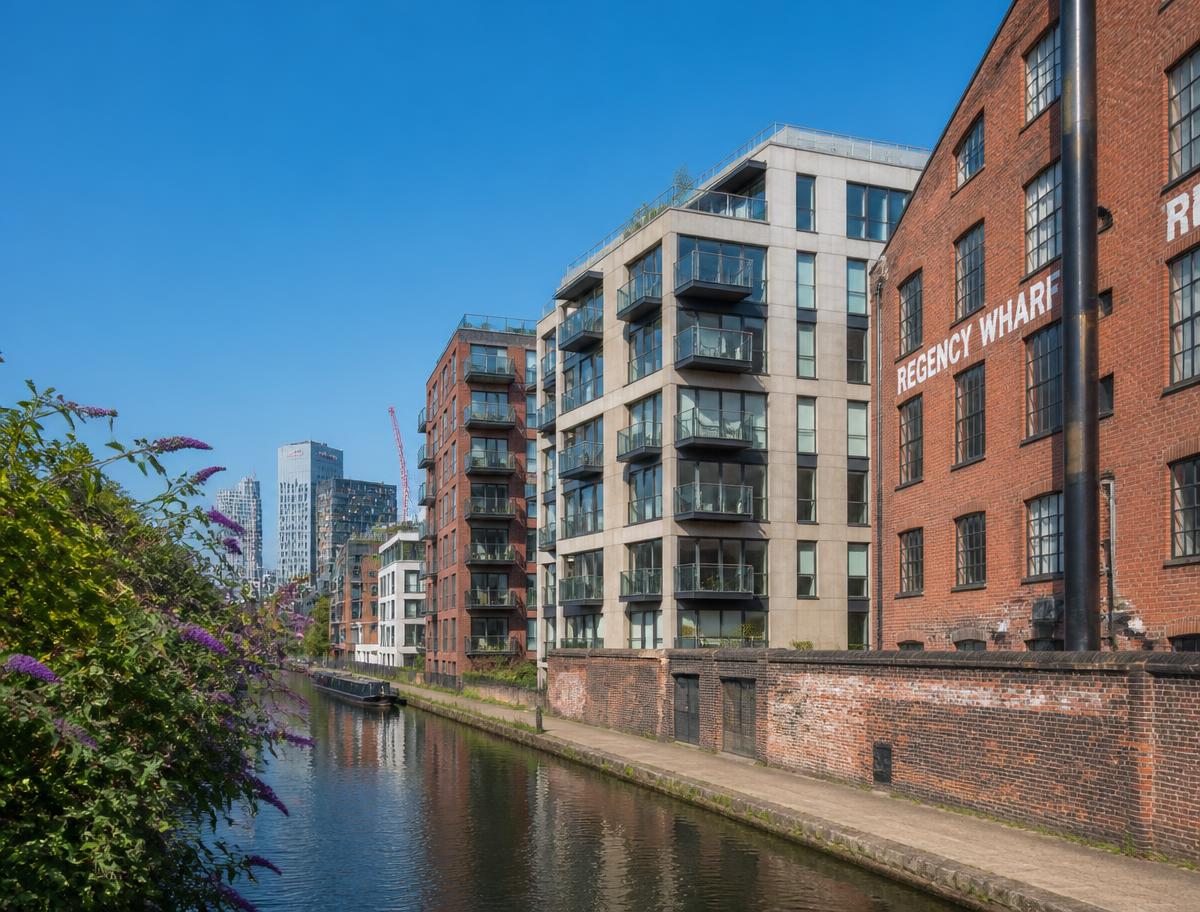
For blocks, licensing sits alongside service-charge and Section 20 consultation duties. Treating them as one compliance programme rather than three separate workstreams is what keeps a London portfolio calm.
Amara Nwosu
Head of Compliance
Amara leads licensing and compliance at RoomWorks, having processed over 300 HMO licence applications across the West Midlands and Greater London.